Tert-Amyl Hydroperoxide: Evolution, Science, and Real-World Use
Historical Development
Chemists have always pushed for more powerful and reliable oxidizing agents. Tert-Amyl hydroperoxide didn’t just pop up by accident; it came about as a direct response to the need for compact, energetic peroxides that work well in both laboratory synthesis and larger industrial processes. By the second half of the twentieth century, organic peroxide chemistry was riding on a wave of innovation. Tert-Amyl hydroperoxide, with its branched pentyl group, became a new option after chemists learned to control and stabilize hydroperoxides more effectively. Academics published initial studies on these molecules in journals that rarely got picked up outside the chemistry community, but it wasn’t long before manufacturers and pharmaceutical companies started asking for more reliable oxidizers for their own work.
Product Overview
Tert-Amyl hydroperoxide usually comes as a colorless to pale yellow liquid. Its strong, often acrid odor makes it easy to detect even in small amounts, so nobody needs a fancy instrument to know it’s in the room. Industry sources list it for sale in high-purity grades, sealed in dark bottles with welded safety caps. Why does it matter? The compound’s oxidizing power and its stability at moderate temperatures have made it valuable for everything from synthetic chemistry to large-scale production. Students tuning into chemistry for the first time often hear about peroxides as ‘dangerous’ or ‘unstable,’ but those who’ve handled tert-Amyl hydroperoxide in the lab quickly learn it holds up better than most when kept under the right conditions. Major chemical catalogs often list it along with safety warnings, showing both commercial value and the pressing need for good handling.
Physical and Chemical Properties
Ask anyone who’s taken a bottle of tert-Amyl hydroperoxide from cold storage: It looks like water, but burns like a match to an oily rag. It boils at around 90–92°C at just a few millimeters of mercury, which means it distills easily under reduced pressure, but not in the open air. Its density hovers near 0.86–0.91 g/cm³ at room temperature. Most striking is its tendency to decompose, releasing gases if stored too warm or exposed to sunlight for long periods. Low volatility helps, but storing it in a cool, dark place with airtight seals is the only safe bet. Its reactivity with acids, bases, and many types of metals makes it a powerful oxidant, able to donate its peroxy group to all sorts of substrates. In practical use, chemists often dilute it with solvents such as isopropanol or toluene to tone down its behavior and prevent dangerous runaways.
Technical Specifications and Labeling
Labels on commercial bottles lay out the essentials: chemical name, CAS number (625-45-6), concentration—usually between 70 and 80 percent—plus hazard codes. Most packs include hazard pictograms for oxidizer and irritant, with clear instruction on avoiding sources of heat and open flames. Detailed specifications list minimum content, moisture limits, allowed impurities, and storage instructions. Packaging usually involves thick-walled glass or metal, with tamper-evident seals and pressure relief if supplied in bulk containers. Producers in the US and Europe match their labeling to GHS (Globally Harmonized System) requirements, listing risk phrases and emergency contacts. For end users, including small academic labs, this information is not just for show—it’s often a legal requirement for insurance and workplace safety audits.
Preparation Method
Making tert-Amyl hydroperoxide starts with tert-amyl alcohol (2-methyl-2-butanol). The process involves bubbling gaseous oxygen through the alcohol with a metal catalyst—often cobalt or copper salts—which helps tack on that extra oxygen atom. Industrial routes control temperature and oxygen flow to avoid side products and dangerous build-up of heat. Factories use jacketed reactors and in-line sensors keyed to pressure and temperature, so there’s little room for error. At the lab scale, procedures go step by step: cold baths, dropwise addition, and careful monitoring of the reaction’s progress with thin layer chromatography. Whether produced in tons or grams, the synthesis produces a crude mixture with a mix of peroxides and residual alcohol, which technicians purify by distillation under reduced pressure or by washing with chilled solvents. The yield depends on a balance between temperature control and reaction time—too fast, and the stuff starts decomposing before anyone can measure it.
Chemical Reactions and Modifications
Tert-Amyl hydroperoxide’s main game is single-oxygen atom transfer. In organic syntheses, it substitutes for hydrogen peroxide or tert-butyl hydroperoxide when reactions need a little more punch. One classic use: epoxidation of alkenes, where that lonely peroxy group swaps its oxygen onto a double bond, forming an epoxide and burning off tert-amyl alcohol as a by-product. Catalysts speed up the reaction, and selectivity depends on which substrate a chemist puts in the flask. The compound can also pull off Baeyer-Villiger oxidations, converting ketones to esters or lactones. Unlike some peroxides, tert-Amyl hydroperoxide rarely gets used in polymerization because its decomposition temperature is lower than most industrial needs. Modifying tert-Amyl hydroperoxide itself usually means fiddling with the alcohol backbone—chemists swap methyls or ethyls in and out to tune it for different jobs, especially if a new reaction calls for a longer or shorter hydrocarbon chain.
Synonyms and Product Names
People rarely stick to just one name for a chemical. Tert-Amyl hydroperoxide shows up in catalogs as 2-methyl-2-butyl hydroperoxide, 1,1-dimethylpropyl hydroperoxide, TAMHPO, or TAMHP. International suppliers sometimes flip the prefixes, spelling it as tert-pentyl hydroperoxide. The variations matter to anyone buying from more than one vendor, since what’s in the bottle should always match the order. Trade names don’t pop up often with this compound; buyers and researchers stick to the chemical name or an accepted abbreviation to ensure there’s no mix-up at the bench or during shipment.
Safety and Operational Standards
Few chemicals remind people of basic safety as quickly as organoperoxides. Tert-Amyl hydroperoxide scores high in both risk and utility. Without rigorous respect for storage, it decomposes, releasing oxygen and flammable gases. In industry and academia, storage in fireproof cabinets at temperatures below 10°C keeps decomposition rates low. Chemical compatibility charts always put tert-Amyl hydroperoxide in the do-not-mix list for acids, metals, reducing agents, and many plastics. Proper gear means chemical splash goggles, gloves, and lab coats. Workers handling bulk volumes wear face shields and flame-resistant aprons. Spills require generous care using inert absorbents—no sweeping up with standard paper towels, since friction alone may spark decomposition. Most labs keep spill kits nearby, knowing a few minutes of delay can turn a minor incident into an evacuation. Fire departments hold drills tailored to peroxide scenarios, because water or foam may not work: specialized dry chemical extinguishers are standard on site.
Application Area
Tert-Amyl hydroperoxide sits firmly in the camp of specialty oxidants. Organic synthesis labs count on it for particular transformations that more common oxidizers can’t handle without making a mess of side products. Pharmaceutical research leans into its selectivity—medicinal chemists choose it to introduce epoxides or perform oxidations on fragile molecules without frying the rest of the structure. Agrochemical manufacturers turn to tert-Amyl hydroperoxide to build key intermediates for crop protection agents, since the oxidation steps often need sharp control of reaction temperature and speed. Fine chemicals companies see it as a stepping stone for building flavor and fragrance components, especially for compounds that involve oxygen incorporation. Its use sprawls outward into specialty manufacturing wherever an even, reliable oxidative hit makes a difference.
Research and Development
Every year, researchers find new tricks with tert-Amyl hydroperoxide. Analytical chemists try it in selective oxidations where they want to test narrow substrate windows. Process engineers look for routes to make it safer to handle, shifting away from heavy metals in catalysis to greener, more recyclable systems. Universities report new reaction types using this molecule, such as room temperature epoxidation protocols for awkward substrates that stall out with older peroxides or plain air. Regulatory bodies pay closer attention each year, tracking the compound as stricter environmental standards trickle down. Patents keep showing up for processes tweaking everything from the solvent system to the purification step, as companies chase higher yield, better product quality, or lower environmental load.
Toxicity Research
Peroxides like tert-Amyl hydroperoxide don’t just scare because of fire risk; their toxicity is real. Researchers found it can cause irritation on contact—skin, eyes, and mucous membranes all react fast. Animal studies suggest oral or inhaled doses lead to both acute and chronic effects, hitting the liver and kidneys hardest. Inhalation exposure in confined spaces causes coughing, dizziness, and, in heavy exposure cases, even respiratory distress. Long-term toxicity studies haven’t been as extensive as those for some industrial solvents, but the consensus warns that even small, repeated exposures can cause harm. Regulatory agencies flag it as a possible mutagen, which keeps exposure limits tight in workplaces, and most countries mandate regular monitoring. Emergency protocols always focus on evacuating the area, ventilating the space, and moving victims to clear air before initiating any first aid.
Future Prospects
Demand for powerful but manageable oxidizers drives deeper research into tert-Amyl hydroperoxide. The growing focus on green chemistry pushes developers toward safer and more sustainable processes, including catalytic systems that cut out heavy metals. As pharmaceutical and fine chemical industries develop new routes to active molecules, tert-Amyl hydroperoxide looks ready to keep its place in select syntheses where precision oxidation calls the shots. Automation in chemical manufacturing, with digitally controlled reactors and in-line monitoring, can further cut risks and boost yields. Tighter regulations, plus a push for more open data on toxicity and disposal, encourage both producers and users to refine how they handle and develop this valuable compound. In my experience, the real gains come when bench chemists and process engineers sit down together—not just to make more of it, but to do it with cleaner, safer tech and straightforward working conditions.
What Happens With This Chemical
Tert-amyl hydroperoxide pops up on the radar of anyone who spends time in an organic chemistry lab. Its structure tells a story of reactivity—this compound packs an oxygen-oxygen bond, and that means power when it comes to chemical transformations. But what happens with tert-amyl hydroperoxide after the safety goggles come off? That’s where real-world applications take shape, often away from public attention.
The Real Work: Industry and Innovation
Tert-amyl hydroperoxide often finds work as a radical initiator. In simple terms, it helps kickstart reactions—think of it as the spark plug in a car engine. Polymer factories rely on this chemical to turn small molecules into plastics. One familiar example involves the production of polyethylene, used in plastics that wrap sandwiches or protect products in shipping. This isn’t academic theory; this is the kind of chemistry that winds up in everyday life. Factories use tert-amyl hydroperoxide because it generates free radicals efficiently and under controlled conditions, which keeps the process moving and helps things stay safe.
Fine Chemicals and Pharmaceuticals
Where chemistry tries to build more complex molecules, selectivity matters. Scientists working on pharmaceuticals know the challenge of targeting just the right bond without disturbing others. Tert-amyl hydroperoxide plays a role here, too. It helps create certain epoxides, alcohols, and other important intermediates. These intermediates often lead to the next step in the synthesis of medicines. The selectivity tert-amyl hydroperoxide offers makes it valuable, saving time, money, and waste. A study published in the Journal of Organic Chemistry outlines how this compound shortens multi-step syntheses, proving that the right reagent cuts down headaches for researchers and ultimately benefits patients waiting for new treatments.
Hazards and Risk in Handling
Working with strong oxidizers brings up serious safety concerns. Tert-amyl hydroperoxide isn’t any different. This compound can catch fire or explode if handled carelessly. People in the industry pay close attention to storage conditions and proper disposal methods. The National Institute for Occupational Safety and Health (NIOSH) and the Occupational Safety and Health Administration (OSHA) both publish clear guidelines on the safe handling of hydroperoxides like this one. I learned from my own stint at a chemical plant that a lapse in protocol, even for a moment, could have meant disaster. That memory never leaves you: the sense that chemistry sometimes demands humility and respect.
Addressing Environmental and Health Concerns
Tert-amyl hydroperoxide does its job best behind the scenes. But concerns grow around any chemical that carries reactive oxygen. Spills and improper disposal can damage ecosystems and water supplies. Responsible chemistry involves using just enough to complete the job, minimizing leftovers, and neutralizing waste. Engineers and researchers study greener processes all the time. Catalysts now exist that can mimic some of the effects without using such strong oxidizers. The transition won’t happen overnight, though—industry often moves slow for reasons tied to safety, investment, and reliability. Still, the push for safer and more sustainable chemistry grows as more voices join the conversation.
Looking Toward Safer Practices
There’s no shortage of risk, but experience shows that careful training and better communication at every level make a difference. Chemical producers now invest more in monitoring equipment and staff education, and workers feel more empowered to speak up when something feels off. Transparency helps too. Sharing incident reports and near misses within the field sometimes prevents the next accident. For tert-amyl hydroperoxide, as with so many other powerful tools, knowledge and respect steer the process safely forward.
Understanding the Risks in the Workplace
tert-Amyl hydroperoxide shows up in a variety of chemical processes, from plastics to pharmaceuticals. It brings serious risk along with its usefulness. Volatile and powerful, this chemical oxidizes with force, and a mistake with it can end careers—or worse. Early in my laboratory years, I heard stories of careless mistakes leading to loud explosions; nobody walked away the same. It hits home that no shortcut is worth a hospital visit.
Protecting Your Skin, Eyes, and Lungs
You really feel the need for quality gloves, face shields, and chemical-resistant coats once you see what this stuff can do to human tissue. One splash can burn skin or blind an eye. A thick pair of nitrile gloves has always given me some peace of mind. Goggles or better, a full-face shield, keep accidents off your face. Stubborn fumes escape easily, so I pop on a lab coat and fasten it up tight. If my skin’s covered, my mind rests easier.
Air in the lab can turn toxic fast. I’ve worked in labs that skipped on fume hoods, thinking a cracked window would be enough. That risk isn’t worth it. Good airflow pulls dangerous vapors away—crucial when handling materials that release potent fumes like tert-Amyl hydroperoxide. Years in the field taught me to respect the chemical, and I always check the hood before pouring a drop.
Fire Hazards: No Margin for Error
tert-Amyl hydroperoxide burns hot and explodes with little warning. Forgetting this has led to infamous accidents across the chemical industry. Static electricity from a synthetic lab coat, a spark from a reusable stirrer, even friction from a tightly closed cap—all it takes is a slip. I make a point to work with non-sparking tools and keep containers closed. Fire extinguishers line my workspace. I check their status before even thinking about opening a bottle.
A friend once left a bottle near direct sunlight: the result was costly and scary. We now store these chemicals in cool, shaded spaces, far from oxidizers and reducing agents. Regular checks on storage areas and routine disposal of expired material make a real difference. It’s never wise to store on cluttered, overloaded shelves. Disaster loves disorganization.
Training Tops the List
Classroom sessions cover basics, but nothing beats a senior technician showing a new hire the right way. People learn through habit—watching protocol in action, seeing mistakes corrected, understanding what not to do by real-world example. My own development skyrocketed from working next to those who took chemical safety seriously, passing on their habits over morning coffee and late-night experiments. Safety information gets posted at eye level near storage areas, easy to read daily.
If something spills or catches fire, hesitation kills. Spill kits, fire extinguishers, and a practiced drill make all the difference. I trained with fake spills before the real ones happened, and trust me, muscle memory saves more than quick thinking in a crisis. Team members stay alert by running through these drills every season, not just after accidents.
Solutions for a Safer Lab Environment
Modern labs invest in safer substitutes for dangerous chemicals, but tert-Amyl hydroperoxide still pops up. Automatic dispensing systems, better hazard labeling, and strict storage discipline have reduced accidents. Management builds a culture where reporting close calls means improvement, not blame. Teams find errors fast and share solutions as part of a living routine, not in sterile safety meetings.
Ultimately, it’s about respect. Each step—gloves, hoods, storage, drills—keeps people going home in one piece. Safety isn’t a chore; it’s a promise to the coworkers next to you.
Understanding the Risks
I’ve handled strong oxidizers before, and tert-Amyl hydroperoxide always stood out. It’s not just a chemical to stash away in any cabinet. Being a potent oxidizer and organic peroxide, it reacts easily and doesn’t forgive sloppy storage practices. Over the years, stories of lab accidents involving volatile organics stick with me—sudden fires, bottles bulging or even bursting. This stuff ranks high on my own mental list of “treat with real respect.”
Critical Storage Conditions
In any lab or warehouse, temperature matters. tert-Amyl hydroperoxide breaks down and can ignite above 30°C (86°F). So, storing this peroxide requires a cool, dry spot, far from heat sources, sunlight, or even warm pipes. I’ve seen some facilities put thermometers and alarms near their chemical storage to quickly detect unwanted temperature shifts. According to the European Chemicals Agency and safety data sheets from major suppliers, room temperature storage often crosses into risky territory, especially during summer. Big chemical companies lock these peroxides in temperature-controlled rooms. That step saves property and lives.
Containers and Materials Make a Difference
Glass, polyethylene, or original UN-rated containers hold up well. I never use metal containers with peroxides—they corrode and sometimes tip off unpredictable reactions. Even caps and seals make a difference. I remember seeing a glass bottle with a plastic screw cap partly melted where another liquid spilled. Such small things have caused real disasters. Well-sealed containers protect the contents from air and moisture, which accelerates decomposition. Gaskets and seals should be compatible with organic peroxides; I check them a couple of times a month during inspections.
Segregation from Incompatible Materials
Here’s something I remind every new tech: never crowd organic peroxides next to acids, bases, or flammable solvents. tert-Amyl hydroperoxide reacts violently if mixed with reducers or combustibles. Proper segregation means keeping these chemicals on separate shelves, preferably in different storage cabinets. Color codes or clear signage help avoid mistakes, especially during busy shifts. I’ve witnessed confusion in shared laboratories, where similar-looking bottles sat together. All it takes is a single slip-up for fire or toxic fumes to erupt.
Safety Measures and Labeling
Labels need to be clear and durable, with hazard classes and emergency contact info visible. In my own workspaces, I add “DANGER: ORGANIC PEROXIDE” in block letters—no guessing, no excuses. Spill kits, fire extinguishers rated for chemical fires, and eyewash stations should be nearby. Training every staff member on these dangers is an ongoing job, not a one-time orientation.
Inspection and Inventory Control
Chemicals like tert-Amyl hydroperoxide can degrade over time. Regular inspections catch bulging bottles, cloudy liquids, or crystals in caps—early warning signs of trouble. Good recordkeeping matters; I keep logs showing when containers arrive, when they’ll expire, and when we last inspected them. Disposing of expired stock on time prevents “forgotten bottle” disasters. Disposal must comply with local hazardous waste laws; untreated peroxides should never go down the drain or in regular trash.
Looking at Solutions
Safety depends on prevention. Automated temperature controls, regular training, and strict inventory management guard against predictable risks. Direct oversight—someone who takes ownership—makes a lab or warehouse safer. Investing in the right storage pays for itself every time you read about someone else’s mishap. For anyone working with tert-Amyl hydroperoxide, knowledge and vigilance build a safer environment—one container at a time.
The Real Dangers Lurking in the Lab
As someone who’s worked around reactive chemicals, I can tell you that tert-amyl hydroperoxide deserves respect. It looks clear and pretty harmless, but it doesn’t take much for things to turn dangerous fast. This compound gets used in polymer chemistry and sometimes as an oxidizer, so there’s a chance it shows up in more labs and factories than most people realize.
Fire and Explosion Risks
Tert-amyl hydroperoxide falls into that group of organic peroxides prone to going up in flames if mishandled. Even small spills on a warm surface or after mixing with the wrong solvent can start a fire. In one industrial accident, poor temperature control during storage led to a pressure build-up and a violent explosion. Houses down the block felt the shock. I always check the MSDS, but even with precautions, this chemical proves unforgiving when heat builds up.
Even storing it isn’t simple. Old containers may form crystals around the cap or inside the bottle, and those crystals can act like mini time bombs. I’ve seen seasoned chemists freeze immediately when they spot them—nobody takes chances with peroxide crystals. They’ve caused lab-shelf explosions before. So temperature control and avoiding contamination aren’t just good practice, they’re mandatory.
Health Hazards: What Really Happens After Exposure
A single splash of tert-amyl hydroperoxide on bare skin leads to burns or irritation before you know it. Breathing in its fumes brings headaches and dizziness. In some cases, workers exposed over time have developed chronic respiratory problems—wheezing and shortness of breath, or feeling like their throat never fully clears. Direct contact with eyes risks permanent damage. Every time I put on my goggles and gloves, I think about the guy who lost partial vision after a spill.
Paths Forward: Safer Handling and Real Solutions
Chemicals like this demand education and vigilance—not just for chemists but for anyone cleaning up, transporting, or working near these bottles. Training matters more than most people think. Running regular worst-case drills has helped folks in my lab build muscle memory, so reaching for the eyewash or spill kit comes automatically under pressure.
Some companies invest in automatic sensor systems that track storage temperatures in real time. These sensors alert staff right away if a container gets too warm. This has stopped several fires before they start. Fume hoods with forced ventilation mean vapors don’t linger in the air, cutting down on the risk that comes from breathing them for hours.
For some applications, switching products solves part of the problem. Safer oxidizers or stabilizers may not perform in exactly the same way, but they carry fewer storage and exposure risks. It helps to talk with other chemists and safety officers about what works for them. Reducing the amount stored on site cuts the risk, too. Smaller, more frequent shipments mean less chemical sitting on shelves and less chance for disaster if something leaks or goes wrong.
Looking Out for Each Other
People can get so focused on the science or production schedule they forget these chemicals don’t give second chances. Staying safe with tert-amyl hydroperoxide calls for good habits, the right gear, and looking out for the person working next to you. If something feels off with a bottle or the air smells even a little odd, reporting it right away saves lives. In my experience, putting safety above speed pays off every time.
The Basics of tert-Amyl Hydroperoxide
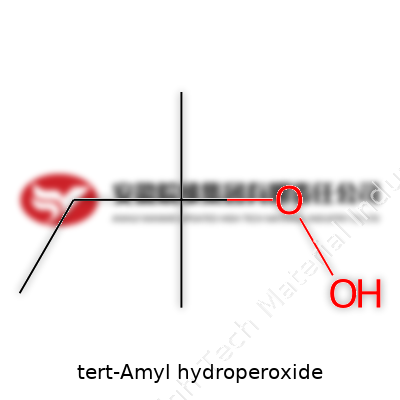
Tert-amyl hydroperoxide isn’t something most people talk about over dinner, but this chemical actually plays a pretty active role behind the scenes in places from industrial labs to university chemistry classes. Let’s strip back the jargon. Think about hydrocarbons—those classic chains and rings of carbon and hydrogen. Toss in a touch of oxygen, get to some creative rearranging on the molecular level, and you’ll land on this molecule with the formula C5H12O2. That’s one carbon-based backbone with twelve hydrogens and two oxygens, arranged to form a special structure called a hydroperoxide.
Why tert-Amyl Hydroperoxide Matters
I first came across tert-amyl hydroperoxide in a graduate lab. At the time, the professor kept pounding in the importance of organic peroxides in synthesis. Students usually remember it as that “tricky oxidizer” we had to handle with gloves and safety glasses. It pops up as a useful reagent, especially when chemists need a source of oxygen atoms to push subtle changes into molecules sideways—transforming one functional group into another or speeding up polymerization. I remember seeing data from industrial applications showing that it provides effective, clean results in free radical reactions, all thanks to that hydroperoxide moiety.
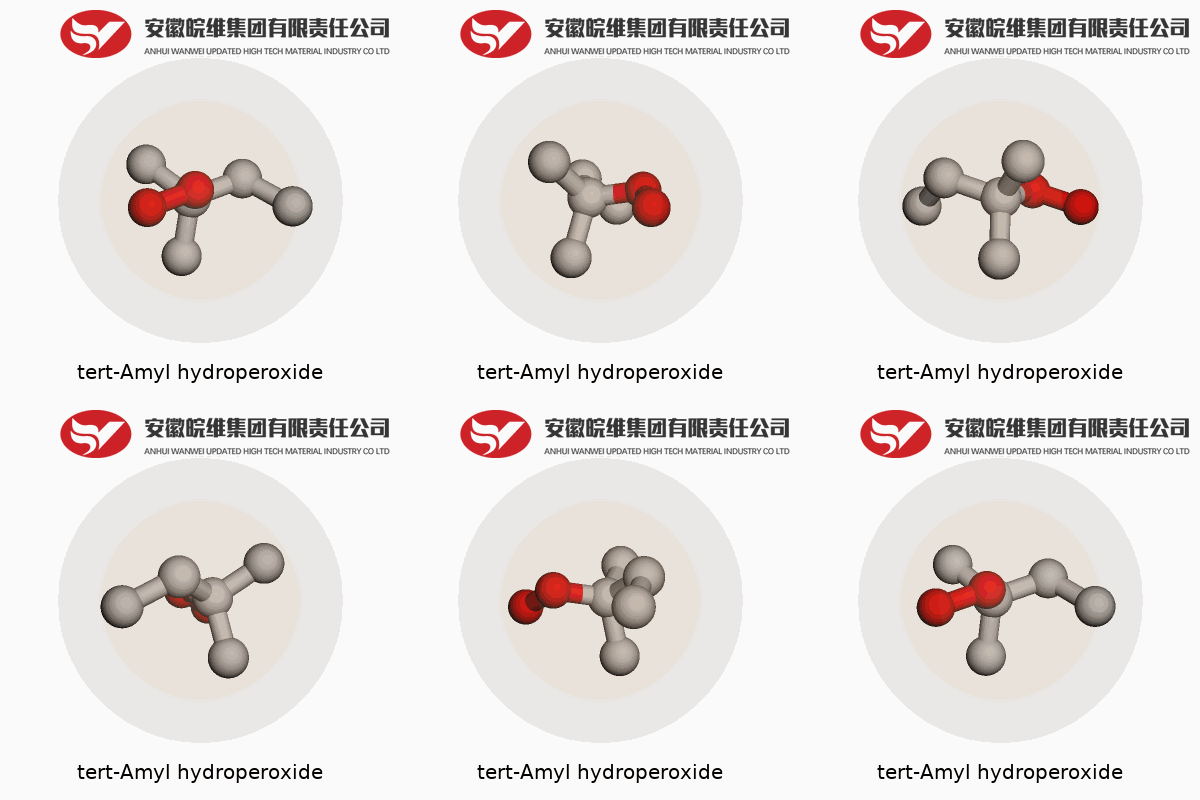
It’s more than a tool for academic labs; big-name chemical manufacturers make and transport this compound. The specialty here is its “tert-amyl” group—that’s a carbon atom with three other carbon atoms and one methyl group stuck to it, forming a Y-shaped structure. That shape gives the molecule its quirky stability and makes it behave differently compared to its cousins. Not all peroxides decompose the same way—tert-amyl hydroperoxide offers more control and less unpredictability, which usually translates to safer production lines and clearer results in chemical processes.
The Risks and Safe Practices
Working with peroxides puts safety front and center. Tert-amyl hydroperoxide can break down, sometimes with a bang. I remember once seeing a small vial foam up on a hot plate after sitting just a little too long. Decomposition releases gases and heat. Left unmanaged, that ramp-up can pose serious dangers, both in research and larger chemical plants. OSHA and peer-reviewed process safety standards always highlight the need for temperature and pressure controls when storing and using organic peroxides. Chemical supply companies put out sheets listing recommended safety gear, storage temperatures, and spill protocols, because even a few milliliters can pack a big punch.
Responsible handling makes the difference. I’ve always stuck with a “double-check before you reach” mindset—double-check labels, double-check inventory logs. Implementing leak-proof seals, temperature monitoring, and staff training programs leads to a much stronger safety culture. It’s not just about avoiding an accident one day; it’s about running a facility where nobody has to worry every time they crack open a bottle of a reactive substance.
Looking Forward
tert-Amyl hydroperoxide stands as a solid example of how smart chemistry keeps industry and research humming. Its concise chemical formula, C5H12O2, shows up in patents, research papers, and safety handbooks. While it unlocks a variety of advanced chemical pathways, it reminds every chemist to respect risk and value preparation. By integrating technical know-how, following up-to-date safety protocols, and learning from hands-on training, chemical workers and students can keep using this powerful oxidizer for meaningful progress in their fields.